
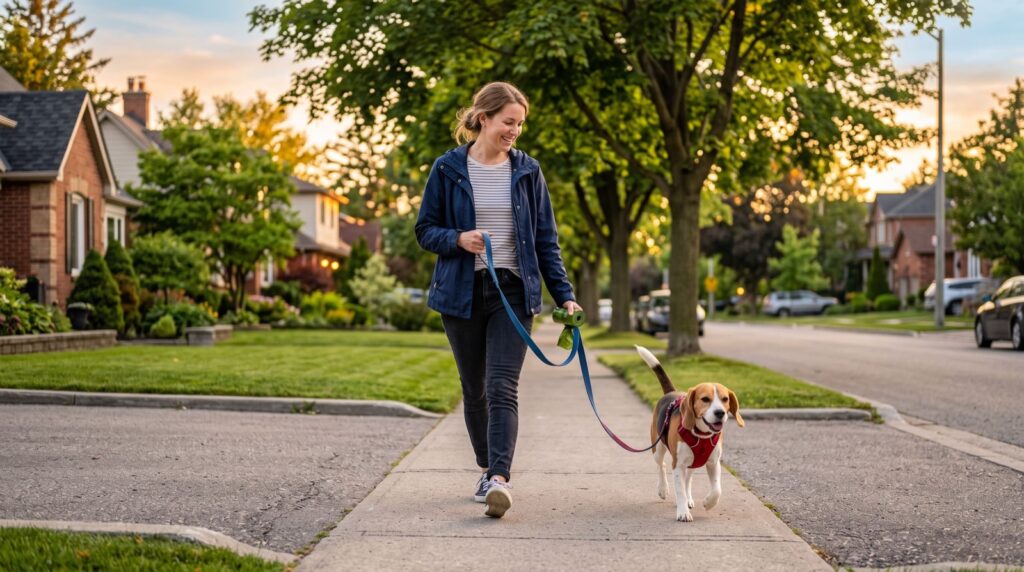
Dog walking looks like the simplest business on earth until your third client of the morning goes in a stranger’s manicured flowerbed and you realize your entire brand now depends on the next sixty seconds. Professionals learn quickly that cleanup gear is customer-facing equipment. A Dog poop Scooper with Bag Attached handles the moment gracefully while you keep two leashes under control, and clients absolutely notice the difference between a pro with a system and a hobbyist with grocery sacks stuffed in a pocket.
Demand keeps climbing, too. The Bureau of Labor Statistics projects steady growth for animal care and service workers through the decade, and 2026’s return-to-office waves have refilled midday walk schedules across every US metro. This guide covers the cleanup side of running that business well: the kit, the pricing, the client optics, and the add-on revenue most walkers leave on the table.
Why Cleanup Gear Is a Marketing Decision
Your customers rarely watch you walk their dog. Their neighbors do. Every walk happens in front of an audience of doorbell cameras and porch sitters who form opinions about the person handling six dogs on their street, and nothing damages word-of-mouth like a walker who fumbles or skips a pickup.
Flip that dynamic and it becomes free advertising. A branded walker who executes a fast, clean, upright pickup looks competent from fifty feet away. Several established services even mention “professional waste handling” in their sales copy because clients ask about it during onboarding calls.
What Belongs in a Professional Walker’s Waste Kit?
Volume separates pros from pet parents. A full-time walker might handle thirty pickups a day across a dozen dogs, so gear gets chosen for speed, capacity, and repetition tolerance.
- A one-handed scooping tool that operates while the other hand manages leashes.
- A hip-mounted roll of commercial-thickness liners, minimum 150 per week.
- Carabiner clips for sealed bags between public trash cans.
- Hand sanitizer and a spare pair of nitrile gloves per route.
- A compact enzyme spray bottle for the inevitable hard-surface incident.
The two-tool rule
Working pros carry a backup. When your income depends on completing every scheduled walk, a snapped handle at 7 a.m. cannot cancel the day. Keep a second Pooper scooper in the vehicle at all times, the same way a plumber carries duplicate wrenches.
Pack Walks: Cleanup at Scale
Group walks multiply revenue and multiply pickups. Handling four dogs means four leashes, staggered relief stops, and zero free hands, which is exactly the scenario where bag-mounted tools prove their worth. The scoop happens in one motion while leashes stay wrapped on the opposite forearm.
- Stage relief breaks at the start of each walk, near a known trash can.
- Anchor the pack to a post or your belt hook during any pickup.
- Scoop, seal, and clip the bag to your kit rather than carrying it loose.
- Log each dog’s output in your client app, because owners genuinely want the data.
- Sanitize hands before touching treats, keys, or the next front door.
Vehicle hygiene protocol
Your car is a rolling office that transports client dogs, so waste gear needs its own quarantine zone. A lidded plastic tote in the trunk holds the backup tool, bulk liners, and any bags awaiting disposal, and a weekly wipe-down with disinfectant keeps the vehicle presentable for the meet-and-greet where a prospective client inevitably peeks inside.
Pricing the Dirty Work Properly
Cleanup time is billable time, and smart operators price it in rather than absorbing it. The table below shows how 2026 US rates typically break down for waste-related services layered onto a walking business.
| Service | Typical rate | Time required | Margin note |
|---|---|---|---|
| Standard 30-min walk | $25-35 | 30 min + travel | Cleanup included, priced in |
| Weekly yard scoop add-on | $15-25/visit | 10-15 min | Highest margin per minute |
| One-time spring yard reset | $75-150 | 1-2 hours | Seasonal cash injection |
| Multi-dog household surcharge | +$5-10/dog | Minimal extra | Covers added waste volume |
That second row deserves attention. Yard scooping add-ons convert at remarkable rates when offered to existing walk clients, because trust is already established and you are literally standing in their yard anyway. Ten yard add-ons at twenty dollars each drops nearly two hundred extra dollars into a week without adding a single new client relationship to manage.
Storage, Scaling, and Staying Legal
Growth brings logistics. Two walkers become five, gear multiplies, and suddenly you need somewhere to stage supplies, brand materials, and seasonal equipment. Growing operators solve this the way retailers do, leaning on dependable specialists for flexible storage rather than letting inventory swallow their apartments.
Check municipal rules as routes expand. Some cities require commercial dog handlers to carry waste equipment visibly, several parks cap pack sizes, and most jurisdictions fine unscooped waste regardless of who held the leash. Your insurance carrier will also ask about waste protocols during commercial policy underwriting, which surprises many first-time applicants.
Frequently Asked Questions
How many waste bags does a full-time dog walker use weekly?
Plan on 120 to 180 for a full route load of 25 to 30 walks. Buying commercial-grade liners in bulk cuts per-bag cost roughly in half compared with retail leash rolls.
Do clients expect walkers to scoop their yards too?
They rarely expect it, which is why offering it works so well as an upsell. Frame it as a weekly add-on during onboarding and again each spring, when yards are at their worst.
What do I do with waste when there are no public cans on a route?
Clip sealed bags to your kit and dispose at the client’s own outdoor can at drop-off, with their permission noted in the service agreement. Never leave bags on curbs or in random residential bins, since both generate complaints.
Is a pooper scooper practical to carry on walks all day?
Lightweight paddle designs weigh less than a full water bottle and clip to a belt or bag strap. Walkers who switch report faster pickups and fewer of the hand-contact moments that make the job unpleasant.
Conclusion: Professional Gear, Professional Reputation
Every thriving walking business is built on trust, and trust is earned in small visible moments on other people’s streets. Equip yourself with a dog poop scooper with bag attached, price the cleanup work like the service it is, and let your competitors keep fumbling with grocery sacks. Upgrade your kit before Monday’s first route.